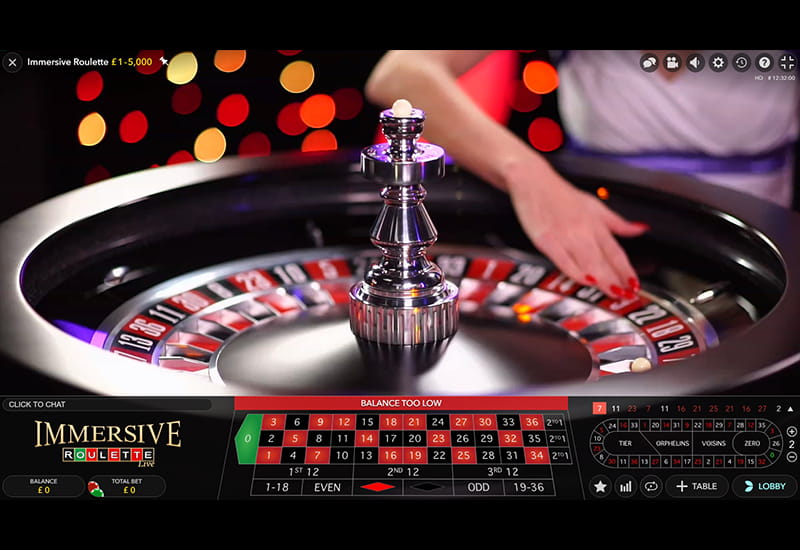
You can learn practical, proven ways to play Vegas Roulette Online JP that reduce risk and improve your chances without promising guaranteed wins. Focus on disciplined bankroll management, selective bet types, and a clear, repeatable strategy to turn more spins into consistent opportunities.
This article walks you through how the game works, which bets offer the best value, and how to adapt tactics as you progress. Expect actionable tips on avoiding common mistakes, choosing a trustworthy casino platform, and applying advanced techniques while keeping play responsible.
Understanding Vegas Roulette Online JP
You’ll learn the exact mechanics, betting options, and how payouts tie to odds so you can pick bets that match your risk tolerance and bankroll. Focus on wheel type, bet names, and the math behind each payoff.
Rules and Game Structure
Vegas Roulette Online JP typically uses a single-zero European-style wheel, but check the game lobby — some tables show American (double-zero) wheels. The dealer (or RNG) spins the wheel and drops the ball; bets close before the ball lands.
A standard round sequence: place chips, dealer spins, ball lands, results paid, and losing bets removed. Automatic and live tables follow the same flow; live tables have dealer interaction, RNG tables resolve instantly.
Table limits vary by table; look for minimum and maximum bets on the interface. Also note special features: “en prison” or “la partage” rules sometimes appear and reduce house edge on even-money bets.
Types of Bets
Bets split into two groups: outside bets and inside bets. Outside bets cover large groups (Red/Black, Even/Odd, Dozens, Columns). These give near 50% chances and lower volatility.
Inside bets target specific numbers or small clusters: Straight (single number), Split (two numbers), Street (three), Corner (four), and Six-line (six). Inside bets have higher payouts but much lower probabilities.
You’ll also find call bets or announced bets in some live tables, letting you place structured combinations quickly. Choose outside bets for steadier play and inside bets when chasing bigger single-round wins.
Payouts and Odds
Payouts follow fixed ratios tied to probability. Common payouts: Straight 35:1, Split 17:1, Street 11:1, Corner 8:1, Six-line 5:1, Column/Dozen 2:1, and Even-money 1:1. These reflect the number of covered pockets versus total pockets.
On a single-zero wheel (37 pockets) a Straight has 1/37 chance (house edge ~2.70%). Double-zero wheels (38 pockets) lower your chance and raise house edge to ~5.26%. Always confirm wheel type before betting.
Use simple expected-value checks: EV = (win probability × payout) − (loss probability × stake). That lets you compare bets numerically and align choices with your bankroll and session goals.
Developing the Right Strategy
Focus on achievable profit targets, a repeatable betting approach, and disciplined stake control. Align session length, bankroll, and bet sizing so you can execute the plan without emotional pressure.
Setting Realistic Goals
Set a clear monetary target and a loss limit before you sit down to play. For example, aim for a 10–20% gain on your session bankroll or stop after losing 30% of it. Concrete numeric limits prevent open-ended chasing and help you preserve funds for future sessions.
Define session length in spins or time. You might limit a session to 100 spins or 60 minutes; both keep variance manageable and stop fatigue-driven mistakes. Track outcomes for each session to measure whether your targets are realistic over 10–20 sessions.
Record and review results. Note starting bankroll, ending bankroll, peak win, and largest loss. Use that data to adjust targets—tighten them if you routinely miss, or increase them incrementally when you consistently meet targets.
Selecting Effective Betting Systems
Choose systems that match your risk tolerance and bankroll size. Flat betting (same stake each spin) suits players who want slow, steady growth and minimal risk. Progressive systems like Martingale raise stakes after losses; they can recover short losing streaks but require massive bankrolls and table limits awareness.
Consider low-variance coverage bets to stretch playtime. Place even-money bets (red/black, odd/even) combined with column or dozen bets for partial coverage. Use small, structured combos—e.g., 60% of stake on even-money and 40% split across two columns—to balance frequency and payout.
Test systems with a dedicated tracking sheet or demo mode. Run at least 100 simulated sessions before staking real money. If a system needs unrealistic bankroll spikes or hits table limits often, discard or modify it.
Managing Stakes
Size your stakes as a fixed percentage of your total bankroll to survive variance. A common rule: wager 1–2% per bet for conservative play, 3–5% for moderate risk. This prevents ruin during inevitable losing streaks.
Use a simple stake table to guide choices:
- Bankroll ≤ $200: 1% stakes
- $200–$1,000: 2% stakes
-
$1,000: 3–4% stakes
Adjust stakes after significant wins or losses. If your bankroll increases by 25%, recalculate your base stake; if it drops by 25%, reduce stake size accordingly. Always respect table limits and avoid stake jumps that would force you into one-spin recovery attempts.
Secrets to Maximizing Winning Potential
Control your risk, watch table patterns that matter, and use bonuses to extend play. Practical steps—setting limits, spotting meaningful streaks, and reading bonus terms—deliver the biggest, measurable benefits.
Bankroll Management
Decide a session bankroll separate from other funds and commit to it before you log in. Break that bankroll into unit sizes (1–2% per unit is conservative) and limit the number of units you risk per session.
Use loss limits and win targets: stop when you lose a preset percentage (for example, 30%) or when you hit a realistic profit goal (for example, 25–50% of your session buy-in). Track every bet in a simple table: Date | Session Bankroll | Unit Size | Bets Placed | Result. That gives you objective data to refine unit sizing.
Avoid aggressive progression systems that double after losses unless you can sustain many consecutive losses. Favor flat betting or small, preplanned progressions tied to specific bankroll growth rules. Always include a forced cool-down after a loss streak to prevent tilt.
Identifying Hot and Cold Tables
Define “hot” and “cold” strictly: a hot table shows a higher-than-expected frequency of a specific outcome over a meaningful sample (100+ spins); a cold table shows the opposite. Use session tracking to note repeats in columns, dozens, or colors rather than trusting short runs of 5–10 spins.
Watch for mechanical or software anomalies only in live dealer games—excessive repeats or unnatural timing may indicate an issue worth reporting. For RNG tables, rely on longer samples and official return-to-player (RTP) figures instead of chasing short streaks.
Use a simple checklist before increasing stakes:
- Confirm at least 100 spins of consistent bias.
- Check table limits match your bankroll.
- Avoid switching mid-progression; let a new table build its own sample.
If you can’t gather sufficient spins, treat perceived streaks as random and keep bets conservative.
Taking Advantage of Bonuses
Read bonus terms line-by-line: note wagering requirements, eligible games (some roulette variants contribute 0–10% to wagering), maximum bet caps, and expiration dates. Prioritize bonuses with low wagering multipliers (e.g., 10x–20x) and clear restrictions for roulette.
Structure your use of bonus funds: place low-variance outside bets (red/black, odd/even) when contribution rates allow, and split play between bonus and real-money bets to meet wagering without excessive risk. Track bonus progress in a table: Bonus Type | Wagering x | Eligible Games | Contribution % | Remaining Wager.
Avoid bonuses that ban hedging or impose very low max-win caps that make the bonus unattractive. If a bonus requires high contribution from roulette (0–10%), calculate expected value before committing and only accept if the terms align with your bankroll plan.
Common Mistakes to Avoid in Vegas Roulette Online JP
Focus on bankroll control and game selection. Small, repeatable errors—like increasing bets after losses or ignoring wheel variants—consume your funds faster than bad luck.
Chasing Losses
Chasing losses leads you to increase bet size or frequency after a losing streak. That behavior quickly depletes your bankroll because roulette outcomes are independent; past spins don’t change future probability. Set a fixed stop-loss and stick to session limits: for example, stop after losing 5–10% of your total bankroll or after three consecutive sessions that end negative.
Use preset bet sizes and a session plan to avoid emotional reactions. If you feel compelled to recover losses, take a break or lower your stake. Many Japanese online casinos show session history—use it to enforce limits and review patterns instead of reacting impulsively.
Ignoring Statistical Probabilities
Ignoring probabilities makes you overvalue patterns and underweight house edge differences. American-style wheels (00 and 0) carry about a 5.26% house edge, while European/Japanese single-zero wheels sit near 2.70%. Choose single-zero tables whenever possible to reduce long-term loss expectancy.
Understand payout math for each bet: single-number bets pay 35:1 but have low hit frequency; even-money bets win roughly half the time but pay 1:1 with the zero tipping odds against you. Use simple references—house edge and expected return—when evaluating bets, not gut feeling.
Choosing a Trusted Online Casino Platform
Pick platforms that show clear licensing, transparent banking, and active customer support. Look for concrete evidence of fairness, fast withdrawal terms, and payment methods that work in Japan.
Evaluating Site Legitimacy
Check the operator’s track record before you deposit. Search for the site’s name plus keywords like “complaints,” “payouts,” and “audit” to find player reports and dispute histories. Verify review dates to ensure information is current.
Inspect visible trust indicators on the site:
- Auditor seals (e.g., eCOGRA, GLI) with clickable reports.
- Published RTP tables and game-provider lists.
- Clear T&C that state wagering requirements, withdrawal limits, and bonus rules.
Test responsiveness of customer support via live chat or email using a specific question about withdrawals. Slow or templated replies often signal poor operations. Prefer sites that display corporate details (company name, registration number, physical address) and an active social-media presence for transparency.
Examining Licensing and Security
Confirm the licensing authority and check the license number directly on the regulator’s website. Trusted regulators commonly used by reputable casinos include the Malta Gaming Authority, UK Gambling Commission, and Curacao eGaming—each provides searchable license records you can verify.
Assess technical security measures:
- SSL/TLS encryption (look for HTTPS and a valid certificate).
- Two-factor authentication (2FA) and strong password rules.
- Separate accounting for player funds and clear payout timeframes.
Review payment options that support Japan: local e-wallets, international cards, and reputable crypto providers. Ensure KYC procedures are reasonable—document requests should match withdrawal amounts and not be excessive.
Staying Responsible While Playing
Set clear limits on time and money, use self‑exclusion or cooling‑off tools when needed, and monitor wins and losses regularly to keep gambling from affecting your daily life.
Understanding Responsible Gambling
You must decide a strict bankroll for each session and stick to it. Use deposit limits, loss limits, and session timers offered by the casino platform to enforce those rules automatically.
Track each session’s results in a simple log: date, time spent, money staked, net result, and any bonuses used. Reviewing this data weekly helps you spot patterns like chasing losses or increasing stakes after wins.
Choose play sessions that do not conflict with work, bills, or personal responsibilities. When gambling feels like an escape or starts affecting sleep, relationships, or finances, use self‑exclusion, take a cooling‑off break, or seek support.
Recognizing Gambling Risks
Understand that each spin is independent and house edge always exists; no strategy eliminates risk. Expect variance: short winning streaks can reverse quickly, and high volatility bets increase the chance of large, rapid losses.
Watch for behavioral warning signs: chasing losses, borrowing money to play, lying about playtime, or prioritizing gambling over obligations. If you spot two or more signs, act immediately by reducing limits, pausing play, or contacting a help service.
Use available support resources. Many casinos list local gambling help lines, self‑assessment tests, and links to counseling. Keep these contacts handy, and involve a trusted friend or family member if you need accountability.
Advanced Tips for Consistent Results
Focus on bankroll segmentation. Set a session bankroll and divide it into smaller units; that prevents chasing losses and keeps decision-making disciplined. Stick to unit sizes that make sense for the table limits and your comfort level.
Prioritize low-variance bets when you want consistency. Even-money bets (red/black, odd/even, high/low) reduce volatility and extend playtime. Use these bets to lock in small, steady gains rather than hunting for large, rare payouts.
Use a written staking plan and follow it. Decide bet size changes, win targets, and loss limits before you start. If you hit any preset limit, stop the session to prevent emotional mistakes.
Track outcomes and analyze patterns objectively. Keep a simple log of bet types, sizes, and results; review it after several sessions to spot leaks in your approach. Don’t confuse short-term streaks with sustainable edges.
Combine conservative progression with strict stop rules. A mild positive progression can capitalize on short streaks, but cap the number of consecutive increases. Always stop after a single adverse run that exceeds your loss threshold.
Leverage casino rules and promotions strategically. Understand wheel variants, bet returns, and any bonus terms before you play. Use promotions only when they align with your risk controls.
Keep your mindset and tempo under control. Take scheduled breaks, avoid alcohol while wagering, and treat each spin as independent. Consistent results come from process control, not from chasing myths or guaranteed systems.
- Quick checklist:
- Session bankroll set? Yes/No
- Unit size defined? Yes/No
- Stop-loss/win target established? Yes/No
- Results logged? Yes/No